Homeowners often overlook plumbing issues, viewing them as minor inconveniences. However, delaying necessary plumbing repairs and installations can lead to significant consequences that extend beyond mere inconvenience. Understanding these risks is crucial for maintaining a safe, efficient, and functional home environment.
The Cost of Inaction
When a plumbing issue arises, it may seem easier to ignore it or postpone repairs. Unfortunately, this decision can lead to escalating costs over time. For instance, a small leak in a pipe might not cause immediate damage, but over weeks or months, it can result in water damage to walls and flooring. This progression often leads to more extensive repairs that can quickly escalate into thousands of dollars.
Consider the case of a homeowner who noticed a drip from under the kitchen sink. Initially dismissing it as a minor issue, they delayed calling a licensed plumber. Six months later, they discovered mold growth behind cabinetry and rotting wood that required complete replacement. What began as a simple leak turned into an expensive renovation project.
Health Hazards
The risks associated with delaying plumbing repairs extend beyond financial implications; they also present serious health hazards. Leaks and moisture accumulation create ideal conditions for mold growth, which can trigger respiratory issues and allergies in sensitive individuals. Mold spores become airborne and may spread throughout the home, exacerbating health problems for anyone living there.
Moreover, sewage backups can occur when drain systems are neglected. A blocked sewer line can lead to wastewater backing up into homes, posing direct health risks due to exposure to harmful bacteria and pathogens found in untreated sewage. Such situations often require emergency plumbing services to address the contamination effectively.
Structural Damage
Water is one of the most destructive forces when it infiltrates areas where it shouldn't be. Over time, leaks can compromise the structural integrity of your home by damaging foundations or weakening load-bearing walls. In extreme cases, this could necessitate major structural repairs or even complete reconstruction.
For example, if a homeowner ignores signs of water pooling in their basement due to poor drainage or leaks from pipes above, they risk undermining the foundation's stability. The cost of addressing such foundational issues far exceeds that of regular maintenance or prompt leak repair.
Increased Utility Bills
Delayed plumbing repairs often result in higher utility bills as well. A leaking faucet or running toilet wastes gallons of water daily — not only contributing to environmental waste but also inflating water bills significantly over time. Homeowners may notice an increase in their monthly expenses without realizing that something as simple as replacing a worn-out washer or repairing a faulty flapper valve could solve the problem efficiently.
For instance, if your water heater is malfunctioning due to sediment buildup or leaks but you choose not to address it immediately, you might find yourself paying much more than necessary for heating water — not to mention the energy wasted through inefficiencies caused by neglect.
Complications During Renovations
Delaying necessary plumbing work can complicate future renovations and installations within your home. If you plan on remodeling your bathroom or kitchen but have unresolved plumbing issues like outdated pipes or improper installations, you may face setbacks during construction. Contractors will typically refuse to begin work until all existing plumbing concerns hot water tank installation are addressed.
In some cases, homeowners might invest in high-end fixtures or appliances only to discover later that their current plumbing system cannot support them adequately due to age or design flaws. This situation results not only in delays but also in additional expenditures for retrofitting existing systems.
The Role of Regular Maintenance
Regular maintenance is crucial for preventing many common plumbing issues before they escalate into costly problems requiring urgent attention from emergency plumbers. Scheduling routine inspections with a licensed plumber ensures that potential concerns are identified early on — such as corrosion in pipes or signs of wear around fixtures — allowing homeowners the opportunity for proactive repairs instead of reactive ones.
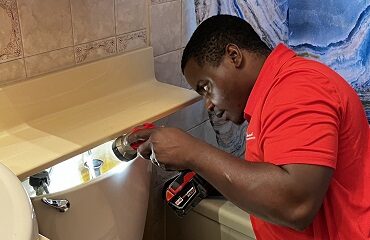
Common maintenance tasks include drain cleaning services that prevent clogs before they become serious blockages and regular inspections of hot water tanks for signs of leakage or rusting components that might affect performance down the line.
Finding Trusted Professionals
Finding reliable plumbing professionals is essential for effective maintenance and professional sewer cleaning repairs. A licensed plumber brings expertise and knowledge about local codes and regulations while ensuring quality workmanship on every job — whether it's fixing leaks or installing new fixtures correctly.
Homeowners should seek out plumbers who offer 24/7 service capabilities so emergencies can be handled promptly at any hour without delay — minimizing damage whenever possible during unexpected incidents like burst pipes after hours.
Investing Wisely: Repair vs Replacement
When faced with plumbing issues requiring attention—such as older piping systems—it’s important to weigh options carefully between repair versus replacement based on long-term value rather than short-term savings alone.
While repairing existing pipes may seem less expensive upfront compared with full replacements at first glance; consider factors like longevity expectancy under current conditions versus potential future failures if left unaddressed further down the road when making decisions accordingly!
Consulting with an experienced professional helps determine what route would yield better results overall depending upon specific circumstances encountered including material types used previously (i.e., copper vs PVC) along with any environmental considerations affecting performance over time too!
Emergency Situations: Being Prepared
Plumbing emergencies do happen - whether from natural disasters leading up flooding scenarios impacting basement levels; sudden pipe bursts caused by freezing temperatures; clogged toilets leading overflowing messes needing immediate cleanup efforts! Being prepared means knowing how best handle such situations when they arise alongside having access trusted contacts available quickly resolve matters efficiently without added stress involved during already chaotic times!
Keep contact information readily accessible regarding local 24-hour plumbers who specialize emergency services offering quick responses needed during critical moments preventing escalation damage occurring throughout properties affected!
Additionally investing knowledge basic troubleshooting techniques help mitigate difficulties facing homeowners recognize signs trouble early enough address them effectively before turning major headaches needing urgent action taken immediately!
Conclusion: Prioritize Plumbing Care
Ultimately prioritizing timely care over procrastination pays dividends beyond mere aesthetics within households! Recognizing importance keeping systems functioning optimally reduces risk associated unforeseen consequences arising negligence while fostering safer healthier living environments everyone deserves call home!
Homeowners should embrace preventative measures ensure proper installation maintenance practices employed consistently throughout residences creating pathways toward peace mind knowing everything running smoothly behind scenes enhancing overall quality life enjoyed daily!